We went into automotive because we loved engineering. A part that fits the first time, a test that passes, a system that behaves exactly as designed on its first drive.
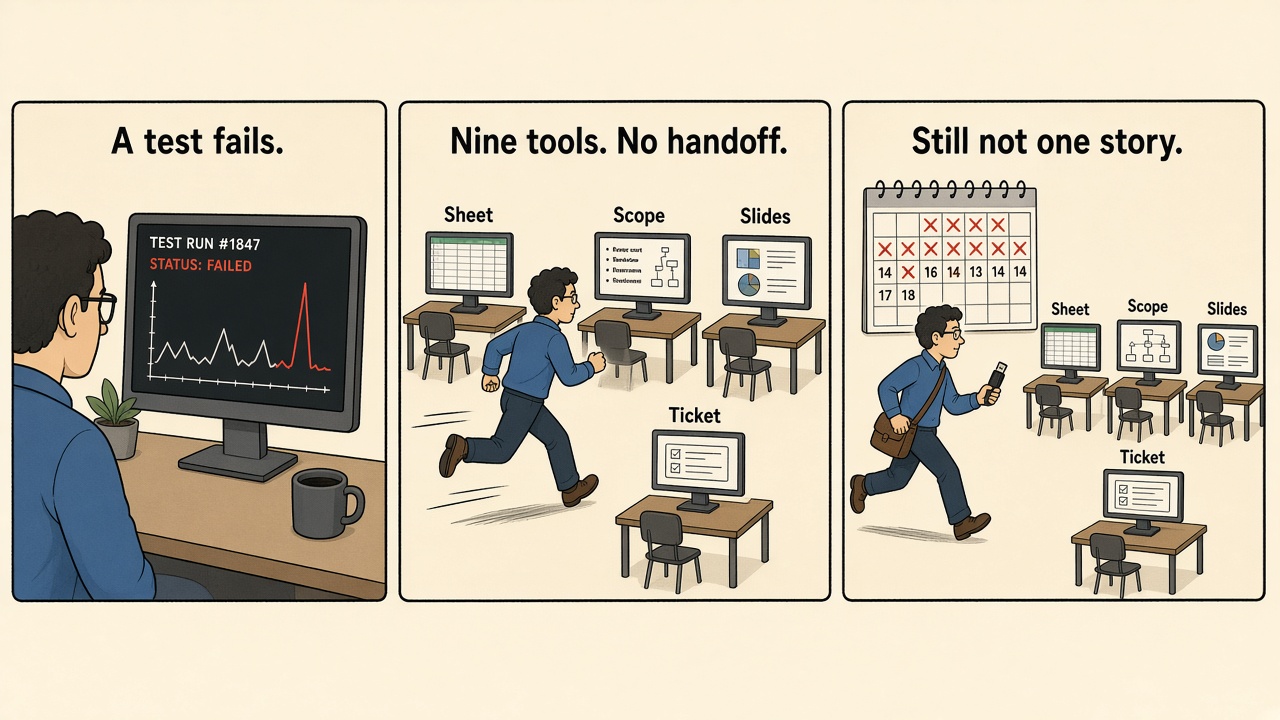
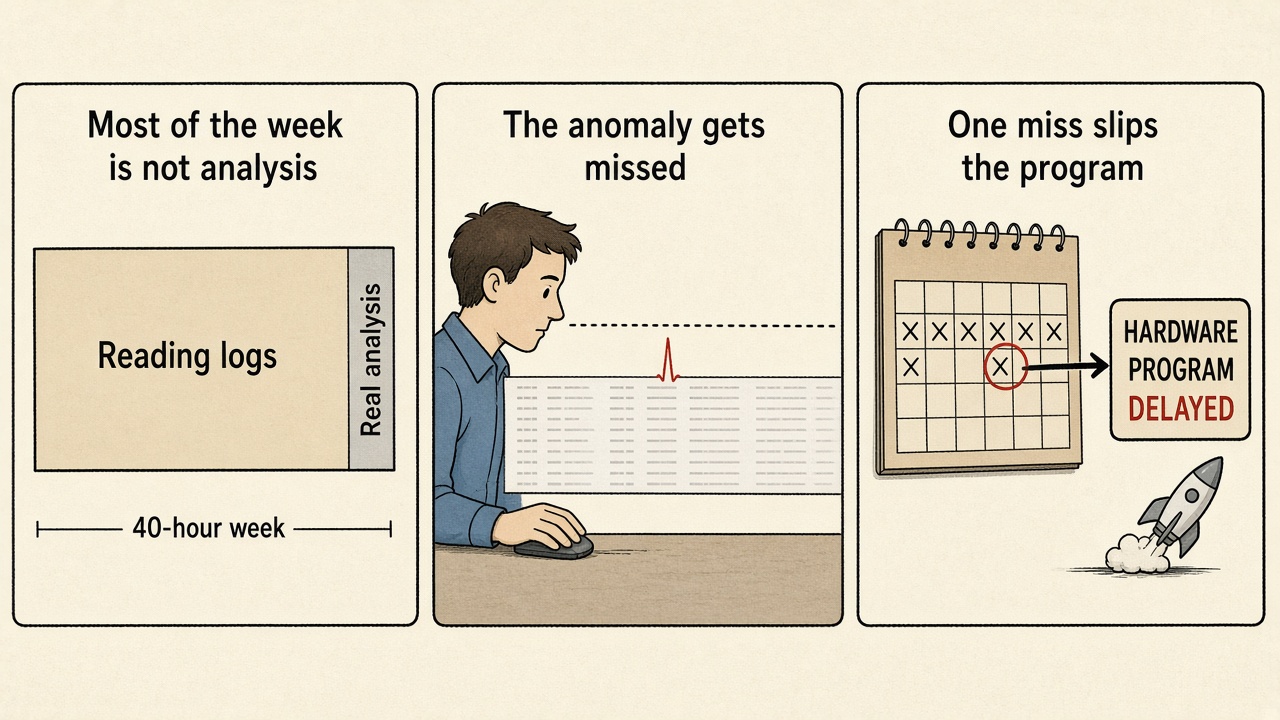
At Jaguar Land Rover, we had the privilege of working as systems engineers on complex vehicle programs, alongside some of the best engineers in the industry. It taught us what disciplined systems engineering looks like: clear requirements, careful verification, and traceability that holds up at every gate review. It also showed us how much effort that discipline takes when the information is spread across spreadsheets, requirements tools, PLM, test reports and email. The work gets done because good engineers make it happen, but much of their time goes into connecting information rather than engineering.
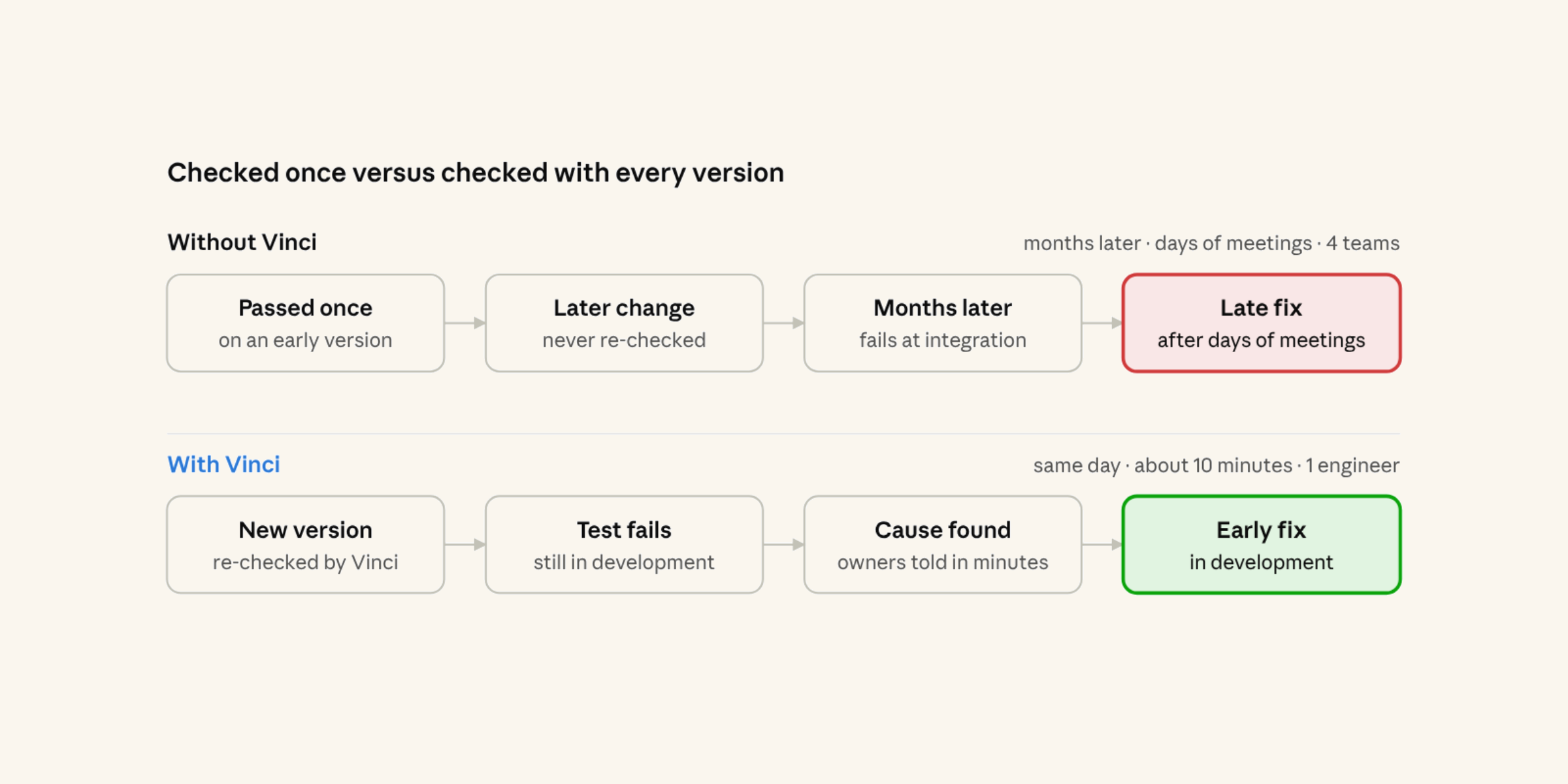
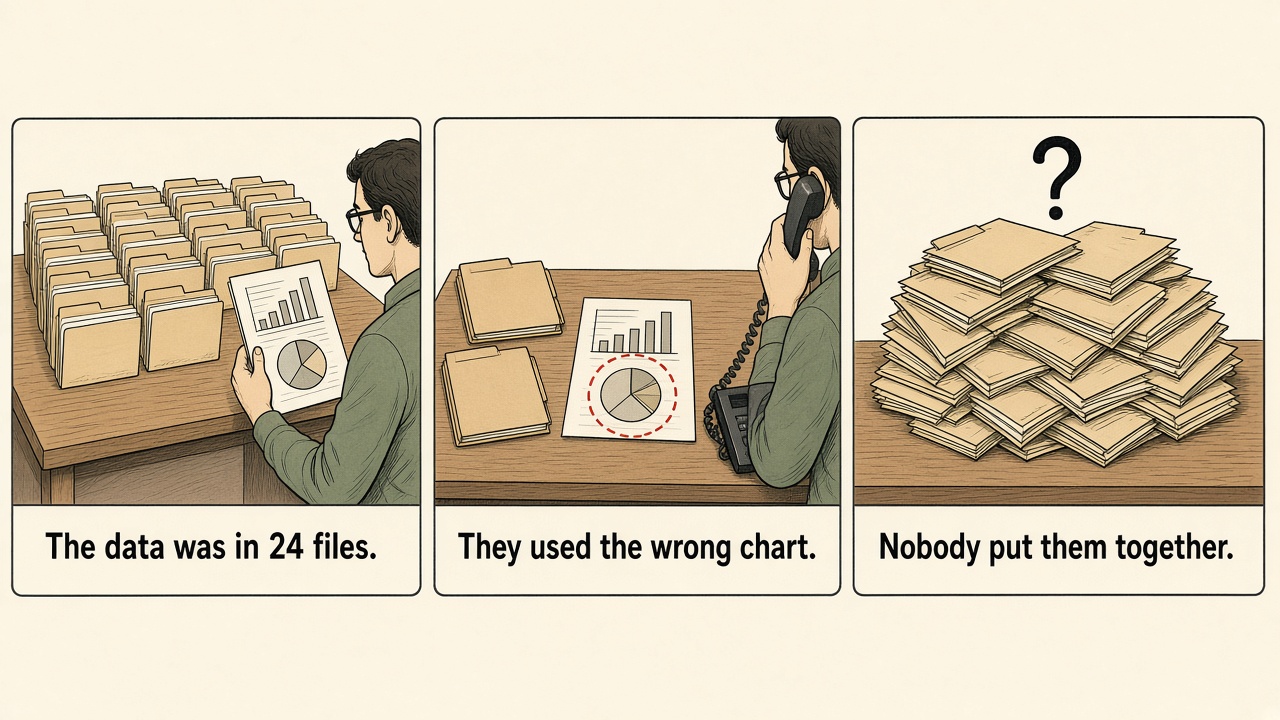
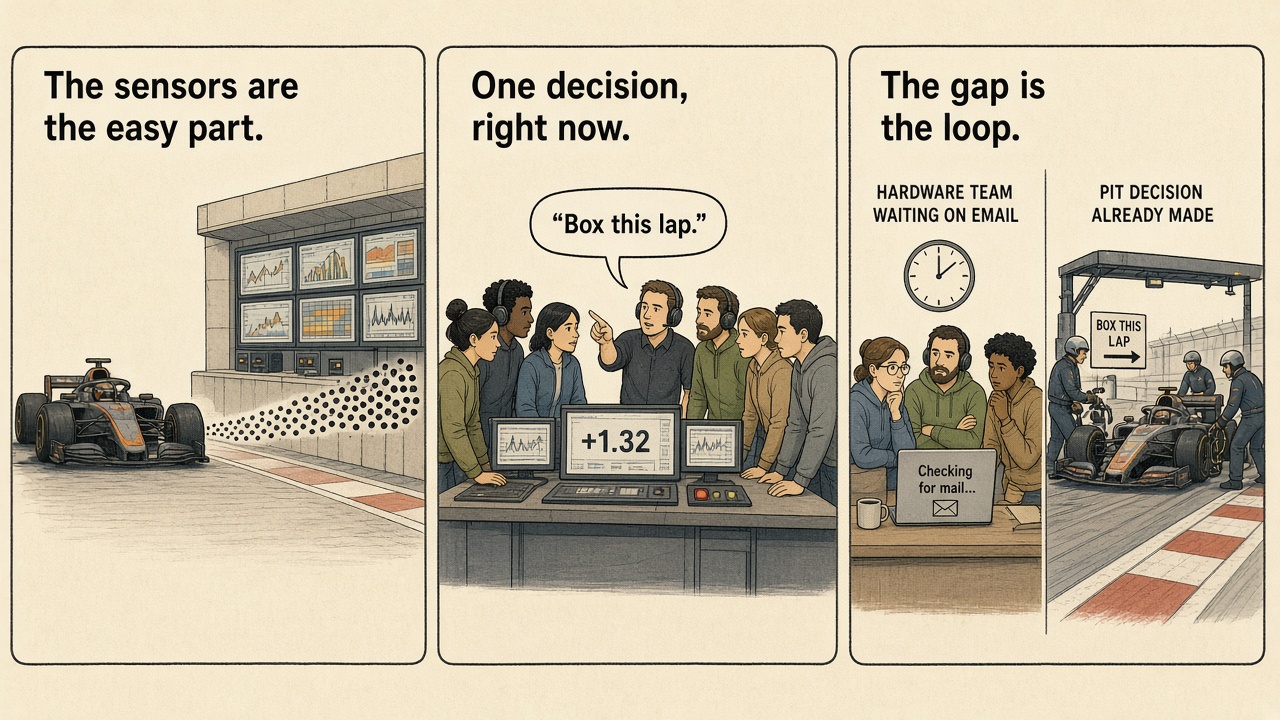
We wanted to know how widespread this was. So we spoke with more than 50 systems, test and validation engineers across aerospace, space, defense, automotive, drones and robotics. The answer was remarkably consistent. Whatever the industry or company size, teams spend more time maintaining traceability than using it. They rebuild links by hand before reviews and take days to trace a failed test back to its root cause. This isn't any one company's problem. It's a gap in how the industry's tools work together.
Across more than 50 conversations, one pattern held: the engineers who understand the system best have the least time to improve it.
So we're building VinciStack, to bring the rigor we learned in automotive to every hardware team, without the manual overhead. It's a live systems graph that keeps requirements, tests, telemetry and decisions connected, traces failures to their root cause, and remembers why every change was made. Engineers can get back to engineering.